Author: Nathan Cron

  • Always Sunny in Philadelphia Podcast

    Always Sunny in Philadelphia Podcast

    Please listen to Charlie Day, Rob McElhenney, and Glenn Howerton explore questions about their own health and the benefits of getting tested and “knowing your numbers”. Watch our expert phlebotomist, Amy Fernandez draw blood and collect urine specimens from Charlie, Mac, and Dennis (at 44 minute mark).

    Always Sunny in Philadelphia Podcast

    Knowing your numbers Podcast

    Please listen to Charlie Day, Rob McElhenney, and Glenn Howerton explore questions about their own health and the benefits of getting tested and “knowing your numbers”. Watch our expert phlebotomist, Amy Fernandez draw blood and collect urine specimens from Charlie, Mac, and Dennis (at 44 minute mark).

  • What to Expect During a Mobile Blood Draw Appointment

    What to Expect During a Mobile Blood Draw Appointment

    Getting labs done shouldn’t derail your day. With DASHealth Dx, a certified phlebotomist comes to your home, workplace, or care facility, bringing the same professional standards you’d expect at a draw site—just with far more convenience. A typical in-home collection takes about 10–20 minutes, including check-in, the draw itself, and cleanup. The Phlebotomy Network+1

    Why people choose mobile blood draws

    Mobile phlebotomy eliminates travel, parking, and waiting rooms—helpful for busy professionals, parents, and anyone with mobility or transportation challenges. It’s also a smart option for immunocompromised patients who want to minimize exposure.

    To learn more about how we support patients, providers, and partners nationwide, explore our services:
    National Phlebotomy

    How scheduling works

    You (or your provider) request a visit, share your lab requisition, and confirm a time and place. On the day, have a photo ID and insurance information ready.

    Note: Lab testing is billed by the lab. Mobile collection fees may apply depending on your arrangement. The Phlebotomy Network

    How to prepare (hydration, fasting, and medications)

    Your provider’s test order determines preparation. Some tests require fasting (often overnight), adjusting water intake, or pausing certain supplements before the draw. Always follow your provider’s instructions.

    Have these ready:

    • Lab order / requisition
    • Photo ID
    • Insurance/payment details (if applicable)
    • Any specialty kits or instructions provided by your clinician The Phlebotomy Network

    What happens during the visit

    Your phlebotomist arrives with all necessary supplies and follows well-established safety and identification steps:

    • Verification and consent: Your identity is confirmed and matched to the lab order before any procedure.
    • Hand hygiene, PPE, and single-use equipment: Expect gloves, antiseptic skin prep, and single-use needles/supplies.
    • The draw: A tourniquet may be applied; the needle is inserted for just seconds as tubes fill. Afterward, pressure and a bandage are applied to reduce bruising.
    • Labeling and packaging: Samples are labeled at bedside and packaged for transport using appropriate handling procedures.

    From arrival to cleanup, most visits are still about 10–20 minutes. The Phlebotomy Network

    After your draw: where your sample goes and when to expect results

    Specimens are delivered to the lab listed on your requisition (for example, Labcorp, BioReference, or another lab). The lab processes the tests and sends results to your ordering clinician, who reviews them with you. The Phlebotomy Network

    Privacy and professionalism

    Your health information is handled with privacy and security practices designed to protect patient data and ensure results are shared only with authorized parties. The Phlebotomy Network+1

    Who benefits most from mobile phlebotomy

    • Homebound patients and seniors who prefer draws in their residence or care facility
    • Patients managing chronic conditions who need frequent labs with minimal disruption
    • Busy professionals and families who want reliable, punctual visits at home or work
    • Clinics, biotech, and research teams coordinating multi-site or time-sensitive collections The Phlebotomy Network

    FAQs

    How long does a mobile blood draw take?

    Most appointments take 10–20 minutes, depending on the number of tubes and tests ordered. The Phlebotomy Network

    Do I need to fast?

    Only if your test requires it. Follow your provider’s instructions. The Phlebotomy Network

    What safety standards do you follow?

    Expect hand hygiene, gloves, antiseptic skin prep, and single-use supplies. The Phlebotomy Network

    What happens to my samples after the draw?

    They’re labeled at bedside and transported to the lab on your requisition for processing. The Phlebotomy Network

    Ready to schedule or partner?

    Explore services: National Phlebotomy Services
    Contact DASHealth Dx: National Phlebotomy Contact Us

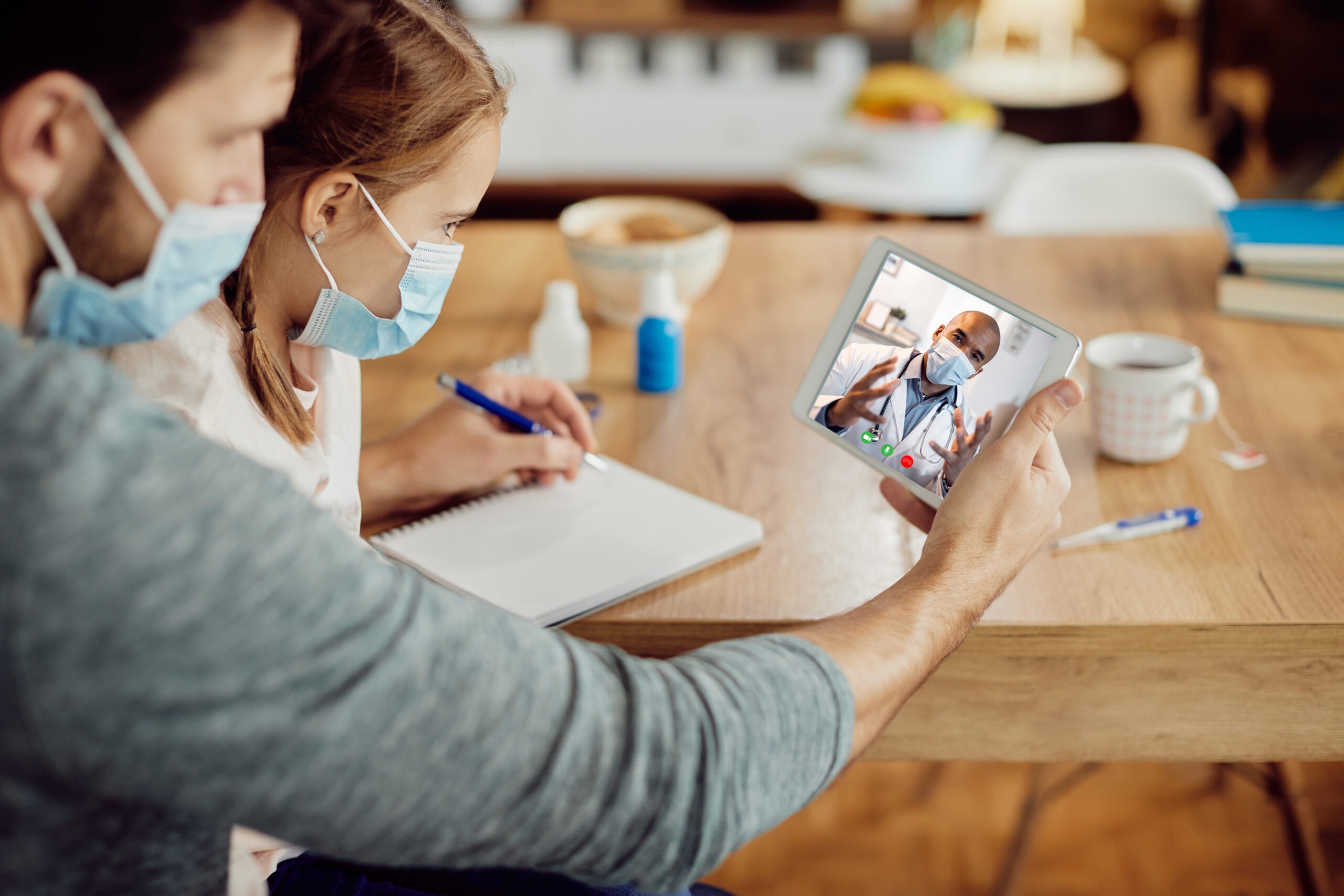
  • Telehealth Guidelines For Providers And Telemedicine Requirements

    Telehealth Guidelines For Providers And Telemedicine Requirements

    Why telehealth policy still matters

    Telehealth remains a major access point for care—but the policy environment has matured since 2020–2022. Providers today need to balance convenience with privacy/security, state licensure rules, and payer coverage requirements.

    1) Choose the right telehealth model

    Most telehealth programs use a mix of:

    • Synchronous care (real-time video/phone visits) for consults, follow-ups, and behavioral health.
    • Asynchronous care (store-and-forward) for scenarios like image review, symptom intake, and lab result discussions.
    • Remote patient monitoring (RPM) for ongoing vitals and chronic condition monitoring.

    Match the modality to clinical appropriateness and your documentation/billing requirements.

    2) HIPAA compliance is not optional

    If you’re relying on “pandemic flexibility,” update your approach.

    HHS OCR’s COVID-era HIPAA telehealth enforcement discretion expired May 11, 2023 (with a transition period through Aug 9, 2023). That means telehealth workflows should be aligned with HIPAA requirements again—especially around vendor due diligence and protecting PHI. HHS.gov+1

    Practical checklist

    • Use a telehealth platform that supports HIPAA-aligned security.
    • Execute a Business Associate Agreement (BAA) where required.
    • Confirm secure patient communications, authentication, and access controls.
    • Train staff on privacy + incident response basics.

    3) Licensure: telehealth happens where the patient is

    A common compliance gap is cross-state telehealth. In general, the telehealth encounter is treated as occurring in the patient’s location, which means providers must pay attention to the rules of that state. telehealth.hhs.gov

    Tip: Multi-state compacts can streamline licensing for interstate practice. Telehealth.HHS.gov provides a solid overview, and IMLCC is a key pathway for physicians. telehealth.hhs.gov+1

    4) Medicare coverage: know the current extension window

    Federal policy has continued to evolve. Many Medicare telehealth access options that expanded during COVID have been extended through January 30, 2026 (and CMS also publishes rolling FAQs). telehealth.hhs.gov+1

    Action: Treat Medicare telehealth rules as “living policy” and check CMS updates as you build your workflows.

    5) Controlled substances via telemedicine: verify current DEA status

    DEA and HHS extended certain COVID-era telemedicine prescribing flexibilities for controlled medications through December 31, 2025. Because this area changes frequently, providers should verify what is in effect at the time of prescribing and ensure their process meets DEA requirements. dea.gov+1

    6) Reimbursement and state policy: use a reliable tracker

    State telehealth requirements and reimbursement rules vary widely (Medicaid, private payer parity laws, consent rules, modality restrictions, etc.). A reliable source for staying current is CCHP’s Policy Finder and their Fall 2025 summary report. CCHP+1

    7) Make telehealth accessible

    Telehealth must work for real people—across language, disability access, caregivers, and technical constraints.

    Build in:

    • interpreter options
    • accessibility accommodations
    • caregiver participation workflows
    • clear patient instructions (text/email reminders, login steps, backup phone option)

    8) Lab work after a telehealth visit: close the loop with mobile collection

    Telehealth often leads to an in-person need: labs.

    A strong workflow includes:

    • sending the lab order digitally to the lab of choice
    • providing the patient a requisition copy
    • coordinating mobile specimen collection when the patient can’t (or shouldn’t) travel

    Need mobile collection support for your telehealth patients?
    Request mobile collection

    Updated December 2025 to reflect current HIPAA, Medicare, and DEA telemedicine rules.

  • 7 Steps to Improve Home Care for Your Clients

    7 Steps to Improve Home Care for Your Clients

    The world of healthcare has been forever changed as a result of the COVID-19 public health Home care has become a preferred option for many patients who want to avoid unnecessary travel, reduce time in clinical settings, and receive support in a familiar environment. As the industry grows, expectations are rising too: agencies are being measured not only on service delivery, but on outcomes, safety, and the patient experience—including value-based performance programs that increasingly reward high-quality care. CMS+1

    Below are seven practical, agency-friendly steps to improve home care for clients while strengthening trust, consistency, and coordination.

    1) Be consistent and easy to reach

    Responsiveness is part of clinical quality. Make it simple for clients and families to reach you with questions—especially when care plans change quickly.

    Practical upgrades:

    • Answer calls during business hours (or use an after-hours answering service with escalation rules)
    • Offer multiple contact options (phone + secure email + web form)
    • Set clear response standards (example: “same day callback” for non-urgent questions)

    Consistency matters just as much: clients feel safer when the agency communicates clearly and follows through.

    2) Prioritize continuity of care (and smarter scheduling)

    Many home care clients do best when they see the same caregivers consistently. It reduces anxiety, improves rapport, and helps staff detect subtle changes earlier.

    Operational moves that help:

    • Use scheduling tools that reduce last-minute swaps
    • Build “primary + backup caregiver” assignments for each client
    • Protect realistic travel time so clinicians aren’t rushed (rushing drives errors and dissatisfaction)

    3) Train for person-centered communication

    Great home care isn’t only about tasks—it’s about how care is delivered. Clients and families remember tone, empathy, and the feeling of being respected.

    Focus training on:

    • Empathy + de-escalation
    • Explaining “what we’re doing and why”
    • Aligning care with client preferences whenever clinically appropriate

    This also maps to what regulators and payers care about: patient rights, participation in care planning, privacy, and respectful treatment are core expectations for home health agencies. Legal Information Institute+1

    4) Treat concerns like data (and close the loop)

    Small problems become big problems when they’re ignored.

    Build a simple feedback loop:

    • Collect concerns (client + family) in a standardized way
    • Categorize trends (lateness, communication gaps, unmet expectations)
    • Assign ownership + due dates
    • Follow up with the client after resolution

    This turns “complaints” into quality improvement.

    5) Individualize the care plan—and reassess frequently

    Cookie-cutter care plans don’t reflect real life. Needs change month to month, and reassessments should keep pace.

    Strong agencies:

    • Reconfirm goals and limitations regularly
    • Update fall risks, medication routines, and caregiver capacity
    • Include family/caregivers in planning when appropriate

    Medicare-participating agencies are also expected to align services with assessment and planning requirements under the home health conditions of participation. eCFR+1

    6) Promote a culture of safety and infection prevention

    Safety includes fall prevention, environmental hazards, and infection control—especially for vulnerable patients.

    Baseline expectations to reinforce:

    • Standard precautions (hand hygiene, PPE when needed)
    • Clean technique for wound care and equipment handling
    • Clear “what to do if” instructions for caregivers/family

    CDC’s core infection prevention practices apply across healthcare settings—including care delivered in the home. CDC+1

    7) Improve care coordination with better systems (and close gaps like labs)

    Modern home care requires coordination across multiple stakeholders—nurses, aides, administrators, family, and external providers.

    What helps most:

    • Shared documentation and secure messaging
    • Clearly assigned roles (“who owns what”)
    • Using data to improve performance, outcomes, and patient satisfaction—especially as value-based models continue to shape expectations. CMS+1

    Don’t overlook diagnostics: one of the most common “breaks” in home-based care is when a patient needs labs but can’t easily get to a draw site. Building a reliable process for in-home specimen collection can reduce missed labs, delays, and avoidable escalations.

    CTA (Home Care agencies)

    Talk to our team

    Request mobile collection

    Originally published October 11, 2022. Updated December 2025 for current home health quality and safety expectations

  • The Benefits of Mobile Phlebotomy for Seniors and Homebound Patients

    The Benefits of Mobile Phlebotomy for Seniors and Homebound Patients

    For many older adults and homebound patients, a simple lab test can become a major logistical challenge. From arranging transportation to waiting in crowded clinics, the process often causes unnecessary stress and can even discourage people from getting important tests on time. Mobile phlebotomy changes that by bringing skilled professionals directly to the patient, whether at home, in assisted living, or in a long-term care facility.

    The Phlebotomy Network (NPPN) provides the same high standards of safety, accuracy, and professionalism as a traditional lab, but in a setting that works best for the patient.

    Understanding the Needs of Seniors and Homebound Patients

    Older adults and homebound individuals face unique healthcare barriers. Mobility limitations, chronic illnesses, and fatigue can make leaving the house for routine blood work exhausting or even risky. For those dependent on caregivers or family, coordinating a lab visit often means rearranging work schedules, securing transportation, and allowing extra time for unforeseen delays.

    Beyond the physical challenges, there’s the emotional toll, many seniors feel anxious about leaving familiar surroundings, and long waits in medical environments can add to the stress. Mobile phlebotomy addresses these concerns by offering a reliable, in-home alternative that prioritizes both comfort and clinical accuracy.

    Convenience Without Compromise

    One of the greatest benefits of mobile phlebotomy is its ability to eliminate travel and waiting times. Seniors and homebound patients can receive professional blood draws in the comfort of their own homes, on a schedule that works for them.

    The service is also available for residents in assisted living communities and nursing facilities, allowing them to stay in familiar surroundings while still getting timely care. You can explore our specialized Home Care and SNF/ALF Services to see how we accommodate different living arrangements.

    This convenience doesn’t come at the expense of quality, NPPN follows the same clinical protocols used in labs and hospitals, ensuring specimens are collected, labeled, and transported correctly every time.

    Improved Safety and Comfort

    Traveling to a lab can increase the risk of falls, accidents, and exposure to illness, particularly for those with weakened immune systems. Mobile phlebotomy eliminates these risks by removing the need for unnecessary trips outside the home.

    Blood draws are performed in a familiar environment, which often makes patients feel more relaxed and cooperative. This comfort can be especially important for individuals with dementia or anxiety, as the home setting reduces sensory overload and helps the procedure go smoothly. Our Patient Services are designed with safety and dignity in mind, giving seniors peace of mind during every appointment.

    Better Health Outcomes Through Regular Monitoring

    For seniors with chronic conditions such as diabetes, heart disease, or kidney issues, regular blood work is essential for monitoring health and adjusting treatment plans. When getting to the lab is a burden, missed appointments can quickly become a problem.

    By making lab draws easier to access, mobile phlebotomy helps patients stick to their prescribed testing schedules. This leads to more consistent monitoring, earlier detection of changes in health, and better long-term management of conditions. Our Managed Care programs are especially helpful for coordinating recurring visits so care plans stay on track.

    Support for Caregivers and Families

    When caring for an older or homebound loved one, every extra task adds to the daily load. Mobile phlebotomy reduces the need to arrange transportation, accompany patients to labs, and wait for appointments to finish.

    Instead, caregivers can plan around a home visit, stay present during the draw for reassurance, and then continue with their day. This support not only eases stress but also helps families maintain a more balanced routine.

    Specialized Services for Seniors

    Phlebotomy for older adults requires a thoughtful approach. Veins may be more fragile, skin thinner, and circulation slower than in younger patients. Our phlebotomists are trained in geriatric techniques, using smaller gauge needles when appropriate, applying gentle tourniquet pressure, and allowing extra time for the procedure.

    We also take into account medication regimens, special positioning needs, and comfort preferences. For patients who need advanced or specialty testing, our Laboratory Services ensure proper handling and transportation so results remain accurate and reliable.

    Privacy and Professionalism

    Patient privacy is always a priority. Our team follows HIPAA guidelines to protect personal health information, ensuring that results are only shared with authorized healthcare providers. This commitment to confidentiality is especially important for seniors who may have multiple healthcare providers coordinating their care.

    FAQs

    How often can a mobile phlebotomist visit a senior at home?

    As often as needed. Visits can be arranged for a single test or scheduled regularly for ongoing monitoring.

    Is mobile phlebotomy safe for patients with chronic illnesses?

    Yes. Our phlebotomists are trained to work with patients managing chronic conditions, using appropriate techniques to ensure safety and comfort.

    Can you come to assisted living or nursing facilities?

    Absolutely. We work with staff to coordinate visits that cause minimal disruption to daily activities.

    How do I arrange an appointment for a homebound loved one?

    You can schedule directly with us or have your healthcare provider send the lab order and contact details. We’ll handle the rest.

    Will my insurance cover mobile phlebotomy?

    Coverage varies by plan. We can provide details and assist with any necessary documentation.

    Do phlebotomists bring all the necessary equipment?

    Yes. We arrive fully equipped with sterile, single-use supplies, PPE, and transport materials for safe specimen delivery.

    Conclusion

    For seniors and homebound patients, mobile phlebotomy offers more than just convenience, it’s a safe, reliable, and compassionate way to receive essential lab work without leaving home. By removing barriers to care, it supports better health outcomes, reduces stress for families, and helps maintain quality of life.